
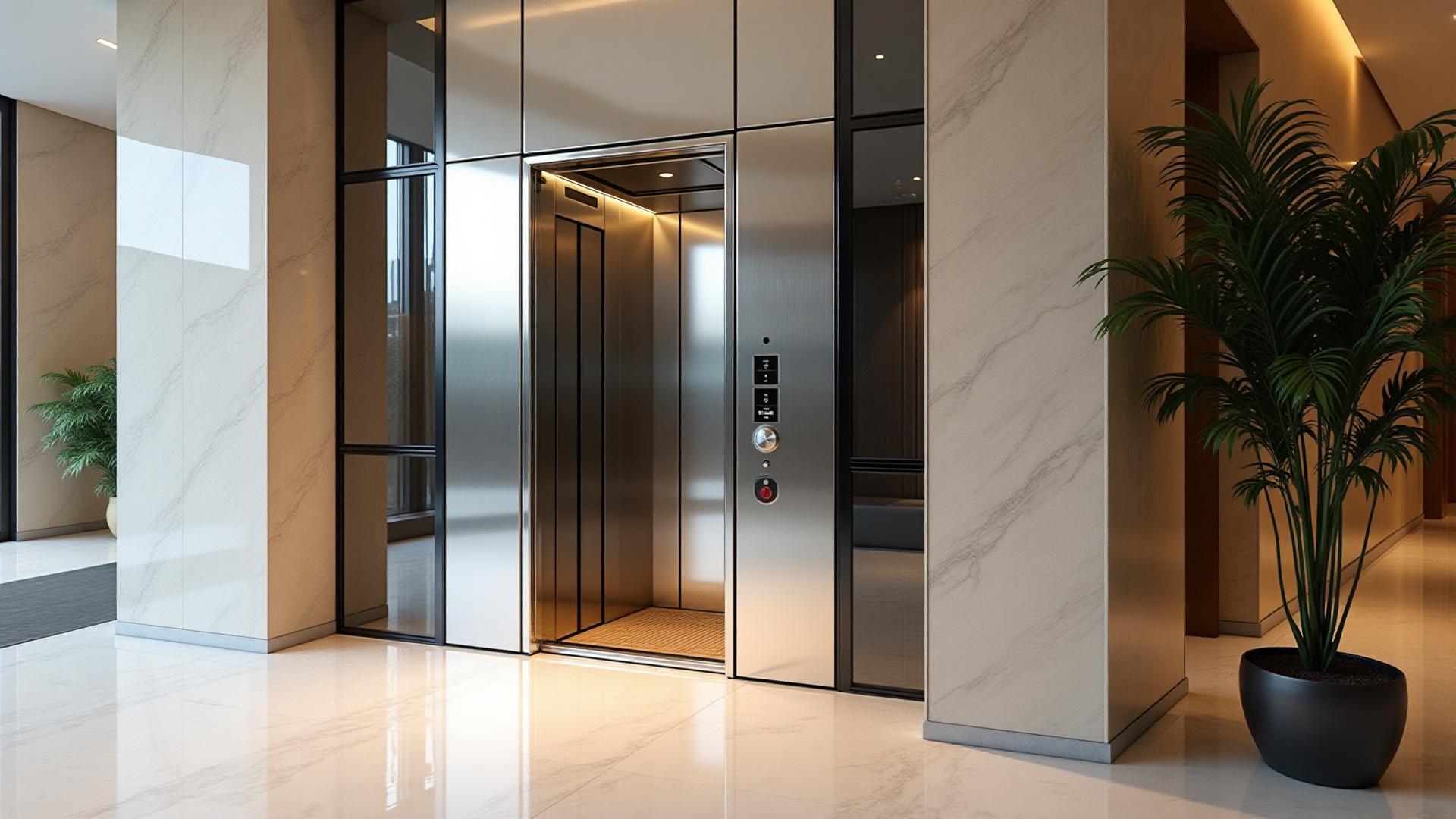
Passenger Elevators in Modern Buildings: Enhancing Comfort, Convenience, and Everyday Living
Modern buildings are designed to make everyday life more comfortable, efficient, and enjoyable. From residential apartments and office towers to hotels, shopping centers, hospitals, and commercial complexes, buildings today are expected to provide more than just functional spaces. They must also offer convenient access, smooth mobility, safety, and a pleasant experience for everyone who uses them.
One essential technology that makes this possible is the passenger elevator.
Passenger elevators have become an important part of modern architecture and urban infrastructure. They connect different floors, reduce physical effort, improve accessibility, and help people move efficiently within multi-story buildings. More importantly, they contribute to a better everyday living experience by making vertical transportation easier, safer, and more comfortable.
As cities continue to grow and buildings become taller, passenger elevators are no longer simply a convenience. They are an essential element of modern living.
1. The Importance of Passenger Elevators in Modern Buildings
Urban development has changed the way people live and work. Limited land availability and increasing population density have encouraged the construction of high-rise apartments, office buildings, hotels, and mixed-use developments.
In these environments, moving between floors using stairs alone would be inconvenient and physically demanding, especially in buildings with many levels.
Passenger elevators provide an efficient solution by transporting people vertically with minimal physical effort. They help residents reach their apartments, employees access office floors, hotel guests move between facilities, and visitors navigate large commercial buildings.
Their importance becomes even more apparent for elderly people, individuals with mobility limitations, parents with strollers, and people carrying luggage or personal belongings.
By providing convenient vertical transportation, passenger elevators make modern buildings more inclusive and accessible.
2. Enhancing Everyday Comfort and Convenience
Comfort is one of the most important factors in modern living. People expect buildings to provide facilities that simplify daily activities and reduce unnecessary effort.
A well-designed passenger elevator supports this expectation through smooth acceleration, comfortable travel, appropriate ventilation, attractive cabin interiors, and reliable operation.
Imagine living in a high-rise apartment. Every morning, residents need to travel from their apartments to the lobby, parking area, or shared facilities. In an office tower, hundreds of employees may need to reach their workplaces at approximately the same time.
Without an efficient elevator system, these everyday activities could become frustrating.
Modern passenger elevators are designed to improve the experience through features such as:
- Smooth starting and stopping for a more comfortable ride.
- Efficient door operation to support convenient passenger movement.
- Proper cabin lighting and ventilation.
- Clear floor indicators and user-friendly control panels.
- Thoughtful cabin layouts that support different passenger needs.
These features may seem simple, but together they make a meaningful difference in how people experience a building.
3. Modern Elevator Technology for Better Performance
Advances in engineering and automation have significantly improved passenger elevator technology.
One important development is the use of Variable Voltage Variable Frequency (VVVF) drive technology. This system controls the motor’s voltage and frequency to regulate elevator speed, helping provide smoother acceleration and deceleration while supporting efficient operation.
Another innovation is the Microprocessor-Based Control System, which manages elevator movements, responds to passenger commands, and coordinates important operating functions.
Modern elevator systems may also incorporate:
Intelligent Elevator Control
Advanced control systems can coordinate elevator operations to improve passenger distribution and reduce unnecessary waiting. In suitable applications, destination control systems allow passengers to select their destination before entering the elevator, helping organize passenger journeys more efficiently.
Machine-Room-Less (MRL) Technology
MRL elevators are designed to eliminate the need for a conventional separate machine room by integrating the traction machine and associated equipment within designated spaces in the elevator shaft. This can provide greater flexibility in building planning, subject to the equipment design and applicable requirements.
Automatic Rescue Devices
Depending on the elevator design, automatic rescue devices can help move a passenger trapped between floors to a suitable landing during certain power interruptions. These systems are an additional safety feature and do not replace emergency procedures or professional maintenance.
Remote Monitoring and Diagnostics
Some modern elevator systems support remote monitoring, allowing authorized technicians to review selected operating information, identify certain fault conditions, and plan maintenance more effectively.
Together, these technologies help create passenger elevators that are more comfortable, responsive, and suitable for the demands of contemporary buildings.
4. Improving Accessibility and Inclusive Living
A modern building should be comfortable and accessible for people with different physical abilities and mobility requirements.
Passenger elevators play a vital role in creating an inclusive environment. They allow elderly residents, wheelchair users, people recovering from injuries, and visitors with limited mobility to access different floors more conveniently.
Accessibility features may include:
- Spacious cabin dimensions suitable for the intended building requirements.
- Control buttons installed at accessible heights.
- Braille and tactile floor indicators.
- Audible floor announcements.
- Clear visual displays.
- Appropriate door opening dimensions and sufficient door operating time.
The exact specifications should be selected according to applicable accessibility standards, building regulations, and the needs of the intended users.
For residential buildings, these considerations can make daily life easier for families and older residents. In hospitals and public facilities, accessible elevator systems are particularly important because visitors may have different mobility needs.
Accessibility is not simply an additional building feature. It is an important part of creating a welcoming environment where everyone can move with greater independence.
5. Passenger Elevators and Modern Architectural Design
Passenger elevators are not only mechanical transportation systems. They are also part of a building’s overall architectural identity.
In modern residential towers, hotels, shopping centers, and commercial buildings, elevator cabins are often designed to complement the surrounding interior.
Materials, lighting, wall finishes, flooring, mirrors, handrails, and control panels can all contribute to the visual character of an elevator.
For example, a luxury hotel may use elegant cabin finishes and sophisticated lighting to create a premium impression. A contemporary office tower may prefer a minimalist design that reflects professionalism and efficiency.
Beyond appearance, elevator placement also influences building circulation and space planning. Architects and engineers must consider the number of elevators, expected passenger traffic, shaft dimensions, floor-to-floor heights, and the relationship between elevators, staircases, and other building facilities.
Good coordination between architectural design and elevator engineering helps create buildings that are both attractive and practical.
6. Energy Efficiency and Sustainable Building Development
Sustainability is becoming an increasingly important consideration in modern construction.
Buildings consume energy through lighting, air conditioning, pumps, elevators, and other operating systems. Therefore, selecting energy-efficient passenger elevators can contribute to a building’s overall energy management strategy.
Several technologies can support improved elevator energy performance:
- VVVF drives that regulate motor operation according to demand.
- LED cabin lighting with automatic standby functions.
- Efficient traction machines and appropriately designed drive systems.
- Intelligent group control that helps optimize elevator dispatching.
- Regenerative drives in compatible elevator configurations and operating conditions.
Regenerative drives can recover certain forms of energy generated during elevator operation and feed it back into the building’s electrical system when the system design allows.
However, actual energy savings depend on factors such as building occupancy, passenger traffic, elevator capacity, travel patterns, equipment specifications, and the building’s electrical infrastructure.
Choosing an energy-efficient elevator is therefore not only about selecting advanced technology. It also requires proper planning, engineering, installation, and ongoing maintenance.
7. Safety and Reliability: Essential Elements of Everyday Living
Comfort and convenience are important, but safety must always remain the highest priority in passenger elevator design and operation.
Modern elevators incorporate multiple safety mechanisms designed to protect passengers and equipment. Depending on the system configuration, these may include overspeed governors, safety gears, door interlocks, overload protection, emergency communication systems, and other protective devices.
However, reliable operation does not depend on technology alone.
Regular inspections, preventive maintenance, timely replacement of worn components, and professional technical support are essential for maintaining elevator performance.
Building owners and facility managers should work with qualified elevator service providers to ensure that equipment is maintained according to manufacturer recommendations and applicable regulations.
A properly maintained passenger elevator provides more than transportation. It gives residents, employees, guests, and visitors greater confidence in their everyday building experience.
8. Choosing the Right Passenger Elevator for a Modern Building
Every building has different transportation requirements. Selecting the right passenger elevator requires careful consideration of the building’s purpose, size, occupancy, and expected passenger traffic.
Important factors include:
Building Height and Number of Floors: The number of floors and total travel distance influence elevator specifications and system configuration.
Passenger Capacity: Elevator capacity should be determined based on expected occupancy and traffic analysis.
Travel Speed: Appropriate elevator speed helps balance passenger convenience, building height, and system performance.
Cabin Dimensions: Cabin size should accommodate the expected number of passengers and relevant accessibility requirements.
Energy Efficiency: Consider drive technology, lighting, standby functions, and long-term operating costs.
Maintenance and After-Sales Support: Reliable technical support and spare parts availability are important for long-term operation.
Working with an experienced elevator consultant or contractor during the planning stage can help building owners select a system that meets both current requirements and future operational needs.
Conclusion: Passenger Elevators Make Modern Living More Comfortable
Modern living is about creating environments where people can move freely, enjoy greater convenience, and experience better quality of life.
Passenger elevators contribute significantly to this vision. They connect different spaces, improve accessibility, support modern architecture, enhance passenger comfort, and help buildings operate more efficiently.
As technology continues to evolve, passenger elevators will become increasingly intelligent, energy-conscious, and responsive to the needs of modern communities.
Whether in residential apartments, office towers, hotels, hospitals, or shopping centers, a well-designed and properly maintained passenger elevator is an investment in convenience, safety, and everyday comfort.
Ultimately, a better building experience begins with thoughtful design and technology that makes life easier for everyone.
NICE LIVING — Inspiring Better Living Through Technology & Innovation.