The Future of Passenger Elevators: Smart Technology for a Better Living Experience
Technology is changing the way people live, work, and interact with their surroundings. From smart homes and intelligent office buildings to connected cities and automated transportation systems, innovation is creating a more convenient and efficient modern lifestyle.
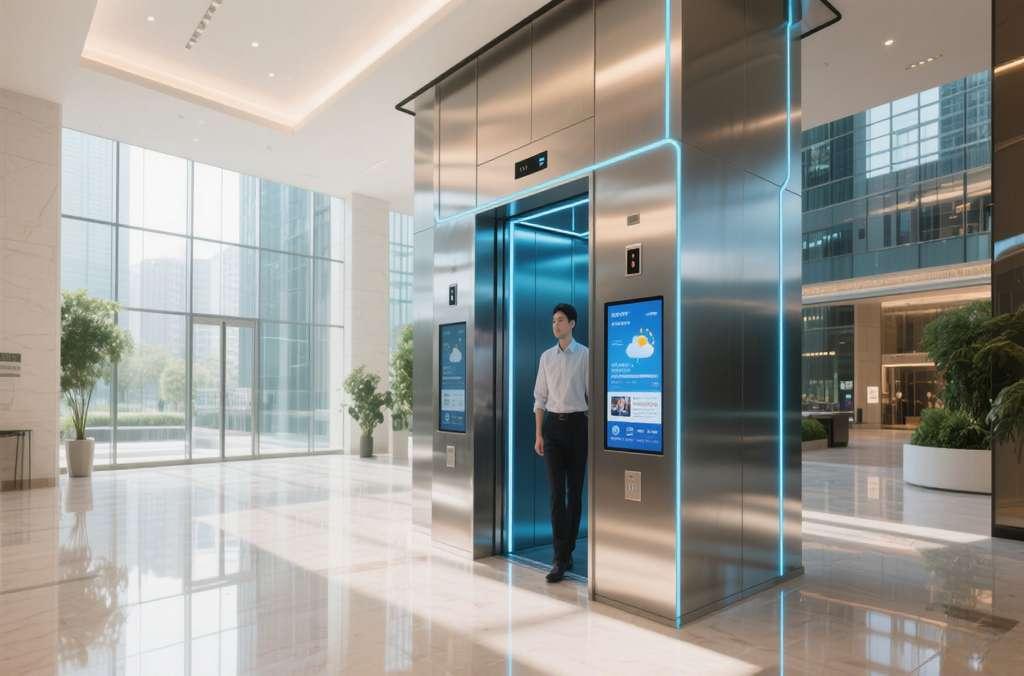
One area experiencing significant transformation is vertical transportation. Passenger elevators, once considered simple mechanical systems for moving people between floors, are evolving into intelligent transportation solutions equipped with advanced control systems, sensors, automation, and digital connectivity.
The development of smart passenger elevators represents an important step toward creating buildings that are more responsive, comfortable, efficient, and user-friendly.
As urban populations increase and high-rise buildings become more common, the demand for smarter elevator technology will continue to grow. The future of passenger elevators is not only about moving people faster. It is about creating a better experience through intelligent technology.
1. The Evolution of Passenger Elevators into Smart Systems
Traditional passenger elevators operate based on basic control functions. Passengers press a button to select a destination, and the elevator responds by traveling to the requested floor.
While this system remains effective for many buildings, modern developments increasingly require more advanced transportation solutions.
Smart elevator technology introduces intelligent control, automated decision-making, real-time information, and connectivity to improve elevator performance.
Modern smart elevators may incorporate:
- Intelligent elevator control systems.
- Destination control technology.
- Advanced passenger detection sensors.
- Automated traffic management.
- Remote monitoring and diagnostics.
- Energy-efficient drive systems.
- Integration with smart building management systems.
These technologies allow elevators to respond more effectively to passenger demand and building operating conditions.
The result is a more integrated transportation experience that supports the needs of modern residential, commercial, and public buildings.
2. Intelligent Control Systems: Making Elevator Operations Smarter
One of the most important developments in modern elevator technology is the intelligent control system.
An elevator control system manages essential operating functions, including movement, speed, door operation, floor selection, and safety-related monitoring.
In modern installations, microprocessor-based controllers can coordinate elevator operations with greater flexibility and precision.
For buildings with multiple elevators, group control systems can manage several units together. Instead of treating each elevator independently, the system coordinates elevator responses to passenger requests.
Depending on the system design, intelligent group control can consider factors such as:
- Passenger calls from different floors.
- Elevator location and direction of travel.
- Passenger traffic patterns.
- Number of available elevators.
- Expected waiting and travel times.
Advanced control algorithms can use this information to allocate elevator cars more efficiently.
For example, during morning office hours, passenger demand is often concentrated in the upward direction as employees arrive at work. During lunch breaks or evening departure periods, traffic patterns may change.
An intelligent control system can respond to these changing conditions by adjusting elevator dispatching strategies.
This helps reduce unnecessary movements, improve traffic distribution, and create a more convenient passenger experience.
3. Destination Control Systems: A More Efficient Passenger Journey
Destination Control System (DCS) technology is one of the most recognizable innovations in smart elevator transportation.
In a conventional elevator system, passengers enter the elevator and select their destination using buttons inside the cabin.
With destination control, passengers select their destination floor before entering the elevator, usually through a touchscreen or destination terminal located near the elevator lobby.
The system then assigns passengers to a suitable elevator based on their destination and other operational factors.
For example, passengers traveling to similar floors may be directed to the same elevator. This can help organize passenger movement and reduce the number of unnecessary stops.
The main benefits of destination control systems include:
Reduced Waiting Time
Intelligent passenger grouping can improve elevator allocation, particularly in buildings with high traffic volumes.
Fewer Intermediate Stops
Passengers traveling to nearby or similar floors may be grouped together, reducing unnecessary stops during a journey.
Improved Traffic Management
Building operators can manage passenger flows more effectively during peak periods.
Better Building Efficiency
More organized elevator operations may contribute to improved transportation performance and energy management.
Destination control is particularly useful in large office towers, hotels, commercial buildings, and other properties with significant passenger traffic.
However, its effectiveness depends on building design, traffic characteristics, the number of elevators, and the control system configuration.
4. Smart Sensors: Helping Elevators Understand Their Environment
Sensors play an increasingly important role in modern passenger elevator technology.
They allow elevator systems to detect certain conditions, monitor equipment performance, and support automated responses.
Unlike traditional systems that rely mainly on direct passenger commands, sensor-based technologies provide additional information about the elevator’s operating environment.
Examples include:
Door Sensors
Infrared or other suitable sensing technologies can detect objects or passengers in the doorway, helping prevent doors from closing when an obstruction is detected.
Load Sensors
Load-weighing devices can monitor the weight inside an elevator cabin and help prevent operation beyond the permitted capacity.
Position and Speed Sensors
These devices provide important information about elevator movement and help the control system regulate positioning and speed.
Motion and Presence Sensors
Depending on the design, sensors can detect passenger presence or activity in certain areas, supporting lighting control and other automated functions.
Equipment Condition Sensors
Temperature, vibration, and other monitoring devices can provide information about selected elevator components and operating conditions.
By combining sensor information with intelligent control systems, smart elevators can respond more effectively to different operating situations.
These technologies also contribute to safer operation and improved system management.
5. Artificial Intelligence and Predictive Elevator Maintenance
Artificial Intelligence (AI) is creating new opportunities for improving elevator maintenance and operational efficiency.
Modern elevator systems can generate valuable operating information, including movement patterns, error records, door cycles, and selected equipment performance data.
When this information is available through compatible monitoring platforms, analytical software can help identify unusual patterns that may indicate developing equipment problems.
This approach is commonly associated with predictive maintenance.
Instead of relying exclusively on fixed maintenance intervals or waiting until a component fails, maintenance teams can use available data to identify potential issues earlier and plan appropriate inspections.
Potential applications include:
- Analyzing recurring elevator fault records.
- Monitoring door operating patterns.
- Identifying unusual vibration or temperature readings.
- Reviewing equipment performance trends.
- Supporting maintenance scheduling.
- Helping technicians investigate recurring problems.
AI-based analysis can improve maintenance planning, but it should not be considered a replacement for qualified technicians, physical inspections, or manufacturer-recommended maintenance procedures.
Human expertise remains essential for evaluating equipment conditions, confirming faults, and carrying out repairs.
In the future, the combination of AI, sensor technology, and professional maintenance services may make elevator management more proactive and efficient.
6. Smart Elevators and Building Management Systems
Modern buildings increasingly use Building Management Systems (BMS) to coordinate important facilities such as air conditioning, lighting, security, electrical systems, and energy monitoring.
Smart passenger elevators can also be integrated with compatible building management platforms.
This integration allows selected elevator information to be monitored alongside other building systems.
For example, facility managers may be able to review elevator operating status, identify certain fault conditions, and coordinate building operations through a centralized platform.
In commercial buildings, access control systems may also be connected to elevator functions.
Depending on the system configuration, authorized users may receive access to designated floors using access cards, mobile credentials, or other approved identification methods.
Such integration can support better building security, operational coordination, and passenger convenience.
However, connectivity must be designed with appropriate cybersecurity protections, access permissions, and data privacy safeguards.
A smart building is not simply a building filled with connected devices. It is a building where different technologies work together to create a better environment for the people inside.
7. Energy-Efficient Smart Elevators for Sustainable Buildings
The future of passenger elevators is closely connected to sustainable building development.
As building owners become more aware of energy consumption and operating costs, energy efficiency is becoming an important consideration when selecting elevator systems.
Smart elevator technology can support energy management through several innovations.
VVVF Drive Technology
Variable Voltage Variable Frequency drives regulate motor speed by controlling voltage and frequency, supporting smooth acceleration, deceleration, and efficient operation.
Regenerative Drive Systems
In compatible elevator designs, regenerative drives can recover energy generated under certain operating conditions and return it to the building’s electrical system.
Intelligent Lighting Control
LED cabin lighting combined with standby or automatic shut-off functions can reduce unnecessary electricity consumption.
Smart Group Control
Coordinated elevator dispatching can help reduce unnecessary trips and improve transportation efficiency.
Monitoring and Energy Analysis
Connected monitoring systems may provide useful information for evaluating elevator operating patterns and identifying opportunities for improvement.
Actual energy performance depends on building occupancy, traffic demand, equipment specifications, operating conditions, and the wider electrical system.
Nevertheless, combining intelligent technology with energy-conscious engineering can help make modern buildings more sustainable.
8. The Future Passenger Experience: More Personalized and Convenient
As smart elevator technology continues to develop, the passenger experience may become more personalized and seamlessly connected with other building services.
Imagine entering a modern office building where an access system recognizes your authorized credentials and directs you toward an assigned elevator. Your destination is selected automatically, reducing the need for repeated manual input.
In a residential building, mobile applications may allow residents to interact with compatible elevator systems before reaching the lobby.
In hotels, elevator access may be coordinated with guest room credentials, helping create a more convenient experience while maintaining appropriate security controls.
Future developments may also include:
- Touchless elevator interfaces.
- Mobile-based elevator calling.
- More intuitive passenger information displays.
- Voice-assisted interfaces in suitable applications.
- Improved accessibility features.
- Integration with smart home and smart office platforms.
These possibilities demonstrate how elevators may become part of a more connected lifestyle.
The objective is not simply to introduce more technology. It is to make everyday journeys easier, more intuitive, and more comfortable.
9. Challenges in Developing Smart Passenger Elevators
Although smart elevator technology offers many advantages, its implementation requires careful planning.
Building owners and developers must consider initial investment, system compatibility, installation requirements, cybersecurity, maintenance capabilities, and long-term operating costs.
Older buildings may also require modernization before advanced technologies can be introduced.
Another important consideration is reliability. Smart features should complement essential elevator functions rather than create unnecessary operational complexity.
The most effective solution is one that balances innovation with safety, usability, maintainability, and the actual needs of building occupants.
Working with experienced elevator consultants, manufacturers, and qualified contractors can help ensure that smart elevator systems are properly selected, installed, and maintained.
Conclusion: Smart Elevators Are Shaping the Future of Modern Living
The future of passenger elevators is closely connected to the evolution of modern buildings and urban lifestyles.
Intelligent control systems, destination control, advanced sensors, AI-assisted maintenance, building management integration, and energy-efficient technologies are transforming the way people experience vertical transportation.
These innovations help create buildings that are more responsive, convenient, accessible, and efficient.
As cities continue to develop and expectations for modern living increase, smart passenger elevators will play an increasingly important role in shaping the buildings of tomorrow.
Ultimately, the true value of smart elevator technology is not measured only by its advanced features. It is measured by how effectively it improves people’s everyday lives.
NICE LIVING — Inspiring Better Living Through Technology & Innovation.