
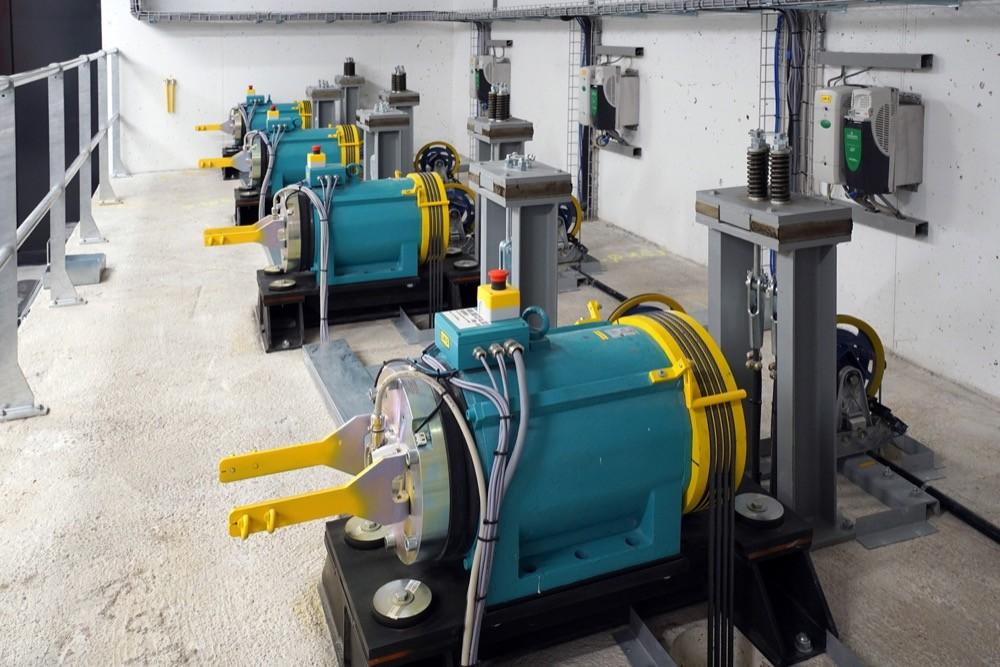
Energy-Efficient Passenger Elevators: Building a More Sustainable Modern Lifestyle
Sustainability is becoming an essential part of modern living. As cities grow and buildings become more advanced, the demand for energy-efficient technologies continues to increase. Today, architects, property developers, building owners, and facility managers are looking for innovative solutions that reduce energy consumption while maintaining comfort, safety, and functionality.
One important technology contributing to this transformation is the energy-efficient passenger elevator.
Passenger elevators are essential in modern residential apartments, office towers, hotels, shopping centers, hospitals, and other multi-story buildings. They provide convenient vertical transportation and support the daily movement of millions of people.
However, elevator systems also consume electricity during operation. This makes energy efficiency an important consideration in modern building design and long-term facility management.
Through innovations such as Variable Voltage Variable Frequency (VVVF) drives, regenerative drive systems, LED lighting, automatic standby modes, and intelligent elevator control, modern passenger elevators can operate more efficiently and support sustainable building development.
The future of vertical transportation is not only about convenience. It is also about creating smarter buildings that use energy responsibly and contribute to a better environment.
1. Why Energy Efficiency Matters in Modern Buildings
Modern buildings contain many systems that require electricity, including air conditioning, lighting, ventilation, pumps, security equipment, and elevators.
Although elevators may represent only one part of a building’s total energy consumption, their impact can become significant in high-rise properties with frequent passenger traffic and multiple elevator units.
Consider a large office tower where elevators operate throughout the day. Employees, visitors, and building staff regularly travel between floors, creating continuous demand for vertical transportation.
In residential apartments, elevators may operate from early morning until late at night to serve residents and visitors.
If elevator systems are not designed and managed efficiently, unnecessary energy consumption can increase operating costs over the building’s lifetime.
Energy-efficient passenger elevators help address this challenge by combining modern engineering with intelligent operating technologies.
The benefits can include:
- Reduced electricity consumption under suitable operating conditions.
- Improved elevator operating efficiency.
- Lower long-term operating expenses.
- Better energy management for building owners.
- Support for green building initiatives.
- A more sustainable approach to modern urban development.
Energy efficiency is therefore not simply a technical specification. It is part of a broader strategy for creating buildings that are economically and environmentally responsible.
2. VVVF Drive Technology: Improving Elevator Energy Efficiency
One of the most important technologies used in modern passenger elevators is the Variable Voltage Variable Frequency (VVVF) drive.
VVVF technology controls the voltage and frequency supplied to the elevator motor, allowing the system to regulate motor speed according to operating requirements.
In conventional systems, motor speed control may be less flexible. VVVF drives provide more precise control over acceleration, deceleration, and travel speed.
This technology offers several important advantages.
Smooth Acceleration and Deceleration
VVVF drives help provide smoother elevator movement when starting and stopping. This improves passenger comfort and reduces sudden changes in motion.
More Controlled Motor Operation
By adjusting motor speed according to operating demands, VVVF technology can support more efficient elevator operation.
Improved Ride Quality
Controlled acceleration and deceleration help create a more comfortable passenger experience, particularly in modern residential and commercial buildings.
Flexible Operating Performance
VVVF systems can be configured to meet different building requirements, including passenger capacity, travel distance, and elevator speed.
The actual energy savings depend on the motor, drive configuration, elevator design, traffic conditions, and operating profile.
Nevertheless, VVVF technology has become an important foundation for modern passenger elevator systems because it combines precise motion control with opportunities for improved energy performance.
3. Regenerative Drive Systems: Recovering Energy from Elevator Operation
Another significant innovation in energy-efficient elevator technology is the regenerative drive system.
During certain elevator movements, the motor can operate as a generator rather than simply consuming electrical energy.
This can occur, for example, when a heavily loaded elevator travels downward or when a lightly loaded elevator travels upward, depending on the elevator’s traction system and operating conditions.
In compatible configurations, regenerative drive technology captures some of this generated energy and converts it into electrical power that can be returned to the building’s electrical distribution system.
This process is known as energy regeneration.
The main advantages include:
- Recovery of energy that would otherwise be dissipated.
- Potential reduction in net electricity consumption.
- Improved overall energy management.
- Support for sustainable building operations.
In some conventional drive configurations, excess energy may be dissipated as heat through braking resistors. Regenerative systems provide an alternative by allowing suitable energy to be reused elsewhere in the building.
However, regenerative drives do not generate free energy. Their effectiveness depends on elevator traffic patterns, building electrical infrastructure, system compatibility, and the frequency of regenerative operating conditions.
For buildings with frequent elevator activity, this technology may offer meaningful opportunities to improve energy performance.
4. LED Lighting: A Simple Innovation with Practical Benefits
Elevator cabin lighting is another area where energy efficiency can be improved.
Traditional lighting technologies may consume more electricity and generate more heat compared with modern LED solutions.
LED lighting offers an efficient alternative for passenger elevator cabins.
It provides several advantages:
Lower Energy Consumption
LED lights generally require less electricity than many conventional lighting technologies while providing suitable illumination.
Longer Service Life
Quality LED lighting products typically offer long operating lifetimes, potentially reducing replacement frequency and maintenance requirements.
Flexible Interior Design
LED technology supports various lighting arrangements, allowing architects and interior designers to create attractive elevator cabin environments.
Reduced Heat Generation
LED lighting generally produces less heat than many traditional lighting options, which can be beneficial in enclosed cabin environments.
Beyond selecting efficient lighting, modern elevators can also use automatic lighting control.
For example, cabin lights may switch to a low-power state or turn off after a period of inactivity, depending on the elevator control design and applicable safety requirements.
This simple feature helps reduce unnecessary electricity consumption when the elevator is not in use.
5. Standby Mode: Reducing Energy Consumption During Idle Periods
Passenger elevators do not always operate continuously.
In many buildings, there are periods when elevators remain idle because passenger demand is low.
Examples include late-night hours in residential buildings, weekends in office towers, or quiet periods in hotels and commercial facilities.
During these periods, some elevator components may continue consuming electricity even when the elevator is not moving.
Standby mode helps reduce this unnecessary energy consumption.
Depending on the elevator system, standby functions may include:
- Switching off or dimming cabin lighting.
- Reducing power consumption of selected displays.
- Activating energy-saving settings for compatible control equipment.
- Managing certain auxiliary functions during inactive periods.
When a passenger calls the elevator, the system returns to its normal operating condition.
The objective is to maintain readiness and passenger convenience while reducing electricity consumption when full operation is not required.
Standby functions must be designed carefully so that essential safety systems, emergency communication, and required monitoring remain operational.
For building owners, this technology demonstrates how small operational improvements can contribute to better energy management over time.
6. Intelligent Elevator Control: Optimizing Passenger Traffic
Energy efficiency is not determined only by the elevator motor and drive system. How elevators are operated also has an important influence on overall performance.
In buildings with multiple passenger elevators, intelligent group control systems can coordinate elevator movements to respond to passenger demand.
Instead of allowing each elevator to operate independently, the control system can allocate passenger calls based on factors such as elevator location, travel direction, and expected traffic.
Advanced systems may also use destination control technology, where passengers select their destination floor before entering an assigned elevator.
This approach can group passengers traveling to similar floors and help reduce unnecessary stops.
Potential benefits include:
- More organized passenger movement.
- Reduced unnecessary elevator journeys.
- Improved passenger distribution.
- Better management of peak-hour traffic.
- Opportunities for more efficient elevator operation.
For example, an office tower may experience heavy upward traffic in the morning and downward traffic in the evening.
An intelligent control system can adjust elevator dispatching strategies to respond to these changing traffic patterns.
However, energy performance depends on the control strategy, building occupancy, number of elevators, and actual passenger demand.
The most effective solution balances energy efficiency with reasonable waiting times and passenger comfort.
7. Energy-Efficient Elevators and Green Building Development
Green buildings are designed to reduce environmental impact while providing healthy, comfortable, and functional spaces.
They consider factors such as energy consumption, water efficiency, sustainable materials, indoor environmental quality, and long-term building performance.
Passenger elevators can contribute to this approach through energy-efficient equipment and responsible operational practices.
When selecting elevator systems for green building projects, developers and consultants should consider:
Efficient Drive Technology
VVVF drives and appropriately selected traction machines can support efficient motor operation.
Energy Recovery
Compatible regenerative drive systems may recover energy under suitable operating conditions.
Intelligent Lighting
LED lighting and automatic standby functions help reduce unnecessary electricity consumption.
Smart Building Integration
Elevator monitoring and compatible building management systems can support better operational oversight.
Long-Term Maintenance
Proper maintenance helps keep elevator equipment operating according to its intended performance specifications.
Green building certification programs may include considerations related to vertical transportation energy use, depending on the certification system and assessment criteria.
Therefore, choosing an energy-efficient passenger elevator can form part of a broader sustainability strategy rather than being treated as an isolated equipment decision.
8. Choosing the Right Energy-Efficient Passenger Elevator
Selecting an energy-efficient elevator requires more than comparing product specifications.
Every building has different transportation requirements, operating schedules, and passenger traffic patterns.
A suitable elevator system should be selected according to the building’s actual needs.
Important factors include:
Building Type and Occupancy
Residential apartments, hotels, hospitals, and office towers have different passenger traffic characteristics.
Passenger Capacity
Elevator capacity should match the expected number of passengers and building occupancy.
Travel Speed and Building Height
The required travel speed and motor specifications depend on building height, number of floors, and transportation demand.
Drive and Motor Technology
Consider VVVF drive systems, machine efficiency, and whether regenerative technology is appropriate.
Energy-Saving Features
Review LED lighting, automatic standby functions, intelligent control, and other available energy management features.
Maintenance and Technical Support
Long-term performance depends on professional installation, regular inspections, preventive maintenance, and reliable technical support.
Building owners should also consider lifecycle costs rather than focusing only on the initial purchase price.
An elevator with suitable energy-efficient technology may provide long-term operational benefits when properly selected and maintained.
9. The Future of Sustainable Passenger Elevator Technology
The development of energy-efficient passenger elevators will continue as building technology becomes more intelligent and sustainability becomes a greater priority.
Future elevator systems may combine advanced motor technology, artificial intelligence-assisted traffic analysis, connected monitoring platforms, and increasingly sophisticated energy management functions.
Smart buildings may also integrate elevator systems with other facilities, allowing building operators to evaluate energy use and coordinate operations more effectively.
Artificial intelligence and data analytics may help identify inefficient operating patterns and support better maintenance planning.
At the same time, improvements in materials, power electronics, control algorithms, and motor design may create additional opportunities for reducing energy consumption.
These innovations will help shape a future where passenger elevators are not only convenient and reliable but also more responsible in their use of resources.
Sustainable technology is ultimately about making better choices today to create a more efficient environment for tomorrow.
Conclusion: Smarter Elevators for a More Sustainable Lifestyle
Energy-efficient passenger elevators are becoming an important part of modern building development.
Through VVVF drive technology, regenerative systems, LED lighting, standby mode, and intelligent traffic control, modern elevators offer opportunities to improve energy performance while maintaining passenger comfort and convenience.
These technologies also support green building objectives and help building owners manage long-term operating costs.
However, achieving real energy efficiency requires more than advanced equipment. It depends on proper system selection, professional engineering, suitable installation, and consistent maintenance.
As modern cities continue to grow, energy-efficient passenger elevators will play an increasingly important role in creating sustainable residential, commercial, and public buildings.
A better modern lifestyle begins with thoughtful innovation. By choosing technologies that combine comfort, efficiency, and environmental responsibility, we can help build a smarter and more sustainable future.
NICE LIVING — Inspiring Better Living Through Technology & Innovation.